Tel: +86-0571-61092020 丨 Email:info@at-cable.com
Home / Blog / Tracer Wire Resources / What Is Tracer Wire? Underground Utility Locating And CCS Selection Guide

What Is Tracer Wire? Underground Utility Locating And CCS Selection Guide

Author: Site Editor     Publish Time: 2026-06-02      Origin: Site

Underground Utility Locating
What Is Tracer Wire? Underground Utility Locating and CCS Selection Guide

Tracer wire, also called locator wire, is a conductive wire installed with non-metallic underground pipelines or conduits so buried utility routes can be located from the surface after backfilling.

CCS tracer wire, or copper-clad steel tracer wire, is one common tracer wire construction for gas, water, sewer, telecom, irrigation and municipal infrastructure projects where both signal continuity and mechanical strength are important.

Quick Answer: What Is Tracer Wire?

Simple Definition

Tracer wire is a small insulated conductive wire buried with a non-metallic utility line. It gives locating crews a detectable signal path when the pipe or conduit itself cannot be easily located.

Why It Is Used

Many plastic pipes and ducts are not easy to detect after burial. Tracer wire helps contractors, municipalities and utility crews locate the underground route before future excavation, repair or maintenance.

Common Utilities

Tracer wire is commonly used with gas lines, water lines, sewer lines, irrigation systems, telecom ducts, fiber conduits and other underground non-metallic utility routes.

Quick RFQ Details

For a quick quotation, buyers can send wire gauge, insulation thickness, spool length and estimated quantity. Color, installation method, marking, packaging and destination port can be confirmed later.

Tracer Wire at a Glance

Tracer wire is installed with buried non-metallic utilities so the route can be located later from the surface. For buyers, the key selection points are the utility application, installation method, wire gauge, insulation thickness and required spool length.

Used for Non-Metallic Utilities

Common applications include gas, water, sewer, telecom duct, fiber conduit, irrigation and municipal infrastructure routes.

Selected by Installation Method

Open trench, open cut, plow-in and HDD applications may require different tracer wire strength levels and insulation options.

CCS for Strength and Cost Control

Copper-clad steel tracer wire is used when buyers need a balance of locating signal continuity, mechanical strength and material cost control.

AITE Cable for Bulk and OEM Supply

AITE Cable supports project-volume, OEM, private-label and full-container tracer wire buyers with custom color, marking, spool length and packaging options.

CCS tracer wire for underground utility locating
CCS tracer wire is installed with non-metallic underground utilities to support future locating after installation and backfilling.

What Is Tracer Wire?

Tracer wire is an insulated conductive wire installed alongside non-metallic underground pipe, conduit or duct. After the utility is buried, locating crews can connect locating equipment to the wire and trace the underground route from the surface.

CCS tracer wire is made with a copper-clad steel conductor. The copper layer provides a conductive path for locating signals, while the steel core provides mechanical strength for underground utility installation.

In many North American utility projects, tracer wire selection depends on installation method, conductor construction, insulation thickness, utility color, spool length and project specification.

Tracer wire is used for locating and tracing buried utilities. It is not intended to carry electrical power loads.

How Does Tracer Wire Work?

Tracer wire works by giving locating crews a continuous conductive path that can carry a locating signal. A transmitter is connected to the tracer wire at an access point or exposed end, and a receiver is used above ground to follow the signal path along the buried utility route.

1. Install Along the Utility

The wire is installed with the pipe, conduit or duct during open trench, plow-in or trenchless construction. It should stay close to the utility route according to the project specification.

2. Maintain Continuity

Splices and branch connections should maintain electrical continuity. Waterproof connectors are commonly used to reduce corrosion risk at connection points.

3. Provide Access Points

Access points, test stations or service boxes allow locating crews to connect a transmitter to the wire after installation and backfilling.

4. Trace from the Surface

A receiver detects the signal path above ground so crews can mark the underground route before excavation, maintenance or repair.

Tracer wire performance depends on the complete locating path, not only the wire itself. Wire selection, installation method, splices, access points and grounding should follow the utility owner or engineer specification.

How CCS Tracer Wire Is Constructed

Solid Copper-Clad Steel Conductor

A solid CCS conductor combines copper conductivity with steel strength. This structure helps provide signal continuity while improving mechanical durability compared with softer conductor options.

Direct Burial HMWPE/HDPE Insulation

The insulation protects the conductor in underground environments and helps resist moisture, chemicals, oil, impact, crush, and abrasion.

Why Tracer Wire Is Used with Non-Metallic Utilities

Non-metallic underground utilities, such as PE or PVC pipelines, cannot be detected as easily as metallic pipes. Tracer wire provides a conductive path that helps locating crews identify the underground route before excavation, maintenance, or repair.

  • Helps locate buried non-metallic pipelines and conduits.
  • Supports safer excavation and maintenance planning.
  • Helps identify underground routes after backfilling.
  • Can be color-coded according to utility type or project requirements.

Tracer Wire vs Detectable Tape and Locating Equipment

Tracer wire, detectable tape and locating equipment are related but not the same. Tracer wire provides a continuous conductive path installed with the utility route. Detectable tape is usually buried above the utility as a warning and may include a conductive layer. Locating equipment is used from the surface to detect the signal path.

Item Main Purpose Typical Role in Underground Utility Work
Tracer Wire / Locator Wire Provides a conductive path for utility locating. Installed alongside non-metallic pipe, duct or conduit.
Detectable Tape Provides a warning layer and may support detection when conductive. Usually placed above the utility line in the trench.
Utility Locator Applies and receives locating signals from the surface. Used by locating crews before excavation or maintenance.

Project specifications may require tracer wire, detectable tape or both. Always follow the utility owner, engineer or municipal specification.

Why Tracer Wire May Fail to Locate

A tracer wire system can fail even when the wire specification looks correct. Many locating problems are caused by installation details, damaged connections or an incomplete signal path.

Broken Wire or Discontinuity

If the wire is broken during installation, backfilling or future excavation, the locating signal may stop before the full utility route can be traced.

Poor Splices or Corroded Connections

Unsealed or poorly made connections can create high resistance, corrosion and intermittent signal problems, especially in wet underground environments.

Missing Access Points

Without accessible connection points, crews may not have a practical place to attach locating equipment after the project is completed.

Wrong Wire Strength for HDD

HDD and boring projects can expose the wire to higher pulling force. Using a wire with insufficient break load can increase the risk of installation damage.

Damaged Insulation

Cuts, abrasion or crushing damage can reduce long-term durability and may create locating problems in harsh burial conditions.

Improper Grounding or Termination

A locating signal needs a complete path. Improper grounding or termination can reduce signal quality and make the utility route harder to trace.

This is why buyers should review both product selection and installation practice. Open trench, plow-in and HDD projects may require different tracer wire strength levels and field connection methods.

Common Applications of CCS Tracer Wire

Application Typical Use
Gas Pipelines Installed with non-metallic gas lines for future locating and route identification.
Water Systems Used with potable water lines, service lines, and municipal water infrastructure.
Sewer and Drain Lines Used for sanitary sewer, storm sewer, and drainage utility locating.
Telecom and Fiber Ducts Installed with non-metallic communication ducts or conduit systems.
Irrigation and Reclaimed Water Used in irrigation, reclaimed water, and utility infrastructure projects.

Open Trench vs HDD Tracer Wire

Different installation methods require different tracer wire constructions. Open trench projects often focus on handling, flexibility, and standard burial durability. HDD and trenchless installation require higher break load because the wire may be exposed to pulling force.

Installation Method Recommended Series Main Requirement Related AITE Product
Open Trench / Open Cut High-Flex or High-Strength CCS Tracer Wire Field handling, flexibility, direct burial insulation, or higher break load for demanding backfill. Open Trench CCS Tracer Wire
HDD / Directional Drilling Extra High-Strength CCS Tracer Wire Higher pulling force, longer runs, trenchless installation, and rugged soil conditions. HDD CCS Tracer Wire
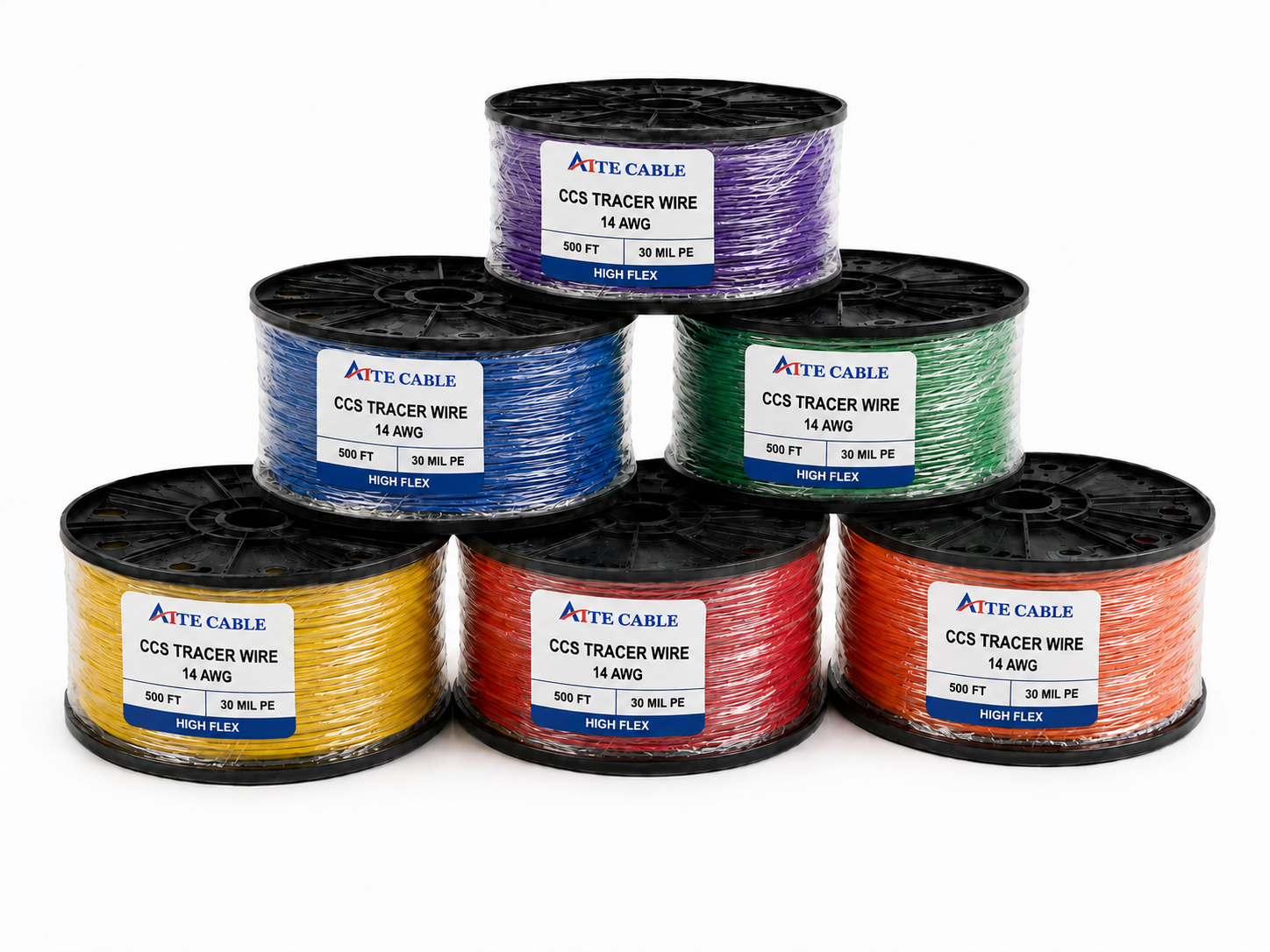
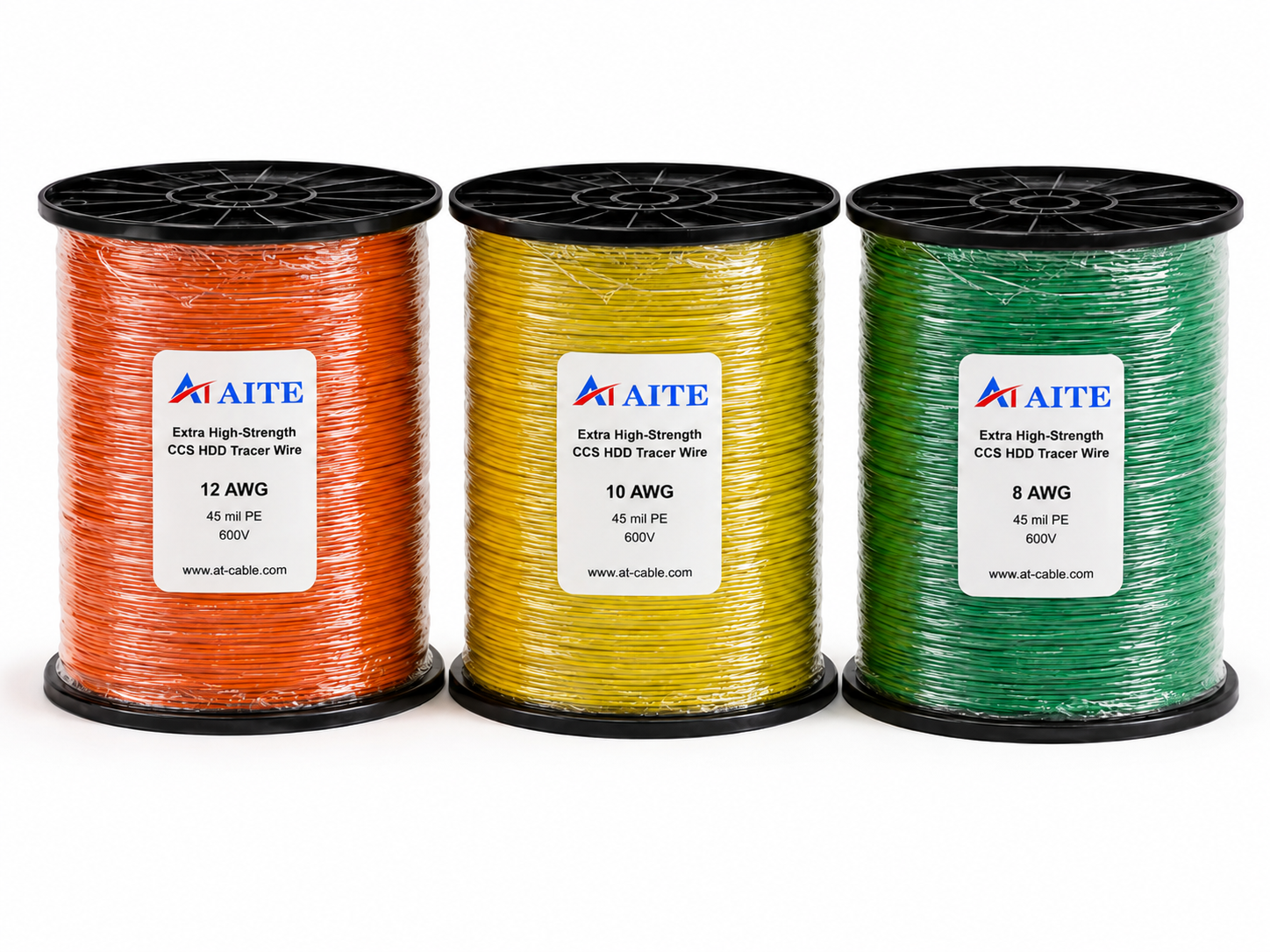
open trench and HDD CCS tracer wire selection
Open trench and HDD applications require different CCS tracer wire strength levels based on installation method, pulling force, and project requirements.

High-Flex, High-Strength and Extra High-Strength Explained

Series Main Purpose Recommended Use
High-Flex CCS Tracer Wire Easier handling, better flexibility, and lower recoil. Open trench, open cut, plow-in, blow-in, conduit, and frequent bending.
High-Strength CCS Tracer Wire Higher break load and stronger installation durability. Longer open trench runs, trenching, plowing, and demanding backfill conditions.
Extra High-Strength CCS Tracer Wire Maximum strength for pulling and trenchless installation. HDD, directional drilling, boring, and trenchless utility projects.

Common Tracer Wire Specifications

For technical selection, buyers may review conductor construction, insulation, color, spool length and project requirements. However, a first quotation does not need every detail. The most useful starting information is wire gauge, insulation thickness, spool length and estimated quantity.

Specification Item Common Options
Conductor Solid copper-clad steel conductor
Conductivity 21% IACS CCS conductor
Insulation HMWPE/HDPE direct burial insulation
Insulation Thickness 30 mil or 45 mil, depending on product series and project requirement
Spool Length 500 ft, 1000 ft, 2500 ft, or custom length
Customization Color, wire marking, spool length, reel type and packaging can be confirmed after the initial RFQ

Tracer Wire Color Options

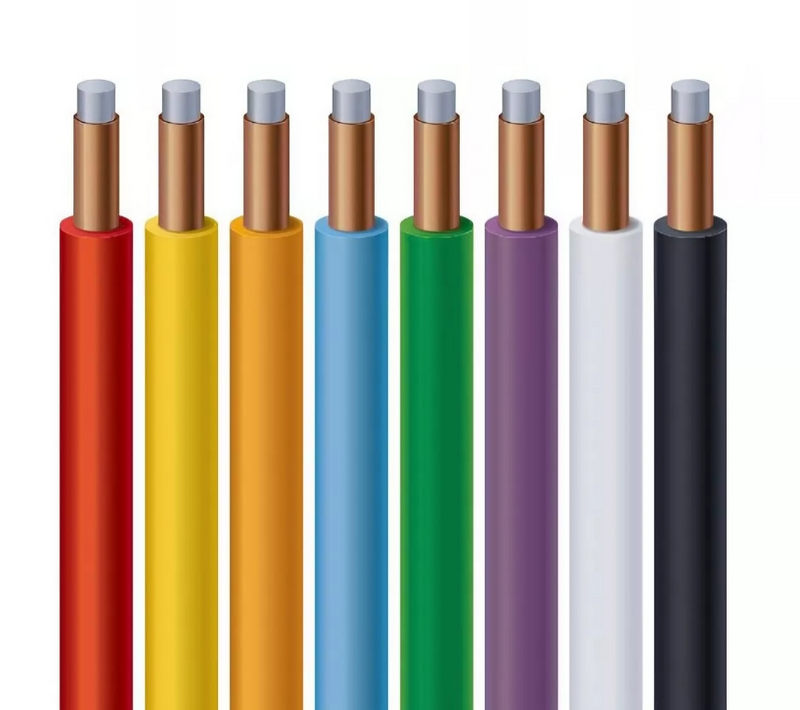
Tracer wire insulation color is commonly selected according to utility type, project specification, or APWA color code practice. Color helps contractors and locating crews identify the type of buried utility associated with the wire.

Color Typical Utility Application
Yellow Natural gas, oil, steam, petroleum, or hazardous material lines
Blue Water systems and potable water lines
Green Sanitary sewer, storm sewer, and drain lines
Orange Communication, cable television, fiber optic, alarm, or signal lines
Red Electrical power lines, cables, conduit, and lighting cables
Purple Reclaimed water, irrigation, or slurry lines
Black / White / Custom Project-specific or engineer-specified applications

AITE Cable supports custom insulation colors, wire marking, spool lengths, and packaging for OEM and private-label buyers.

CCS Tracer Wire vs Solid Copper Tracer Wire

Both copper-clad steel and solid copper tracer wire can be used for underground utility locating. The right choice depends on project specification, installation method, mechanical strength requirement, budget, and buyer preference.

Factor CCS Tracer Wire Solid Copper Tracer Wire
Mechanical Strength Often selected when higher break load or installation durability is required. Generally softer and may be selected where the specification requires solid copper.
Signal Locating Provides a conductive path for locating equipment. Provides high copper conductivity for locating signal transmission.
Cost Consideration Can be cost-effective depending on copper price, specification, and order quantity. May have higher material cost due to copper content.
Application Fit Commonly used for open trench, plow-in, and HDD options when properly selected. Used where project specifications require solid copper conductor.

Always follow the project specification. If a project requires solid copper, do not substitute CCS without approval from the project owner, engineer, or utility authority.

When AITE Cable Is a Better Fit

Some tracer wire suppliers are focused on local stocking, accessories or same-day domestic delivery. AITE Cable is positioned differently: we are a China-based wire and cable manufacturer for buyers who need OEM customization, project-volume supply and export production support.

For Importers and Distributors

Suitable for buyers purchasing tracer wire by project volume, repeat order or full-container plan instead of small retail quantities.

For OEM and Private Label

Supports insulation color, wire marking, spool length, reel type, packaging and other private-label requirements after the initial RFQ.

For Open Trench and HDD Selection

Provides CCS tracer wire options for open trench, open cut, plow-in and HDD applications, with product selection based on installation method and required break load.

For Buyers Who Need Factory Communication

Suitable for buyers who want to confirm gauge, insulation thickness, color, marking, spool length, packaging and container planning directly with the manufacturer.

AITE Cable should not be presented as a US stocking distributor. For urgent local pickup or domestic inventory requirements, buyers should confirm availability with their local distributor or project supplier.

Quick RFQ Details for Tracer Wire

You do not need to prepare every project detail before contacting AITE Cable. For a quick tracer wire quotation, please send the wire gauge, insulation thickness, spool length and estimated quantity.

Quick Quote Information

  • Wire gauge
  • Insulation thickness
  • Spool length
  • Estimated quantity

Helpful Optional Details

  • Color or APWA utility color
  • Open trench, open cut, plow-in or HDD installation
  • Wire marking or private-label requirement
  • Packaging requirement or destination port

RFQ example: 12 AWG, 45 mil, 2500 ft/reel, yellow, 1 container.

Technical Datasheet

Download CCS Tracer Wire Datasheet

Download the AITE Cable CCS Tracer Wire datasheet for open trench, open cut, and HDD underground utility locating applications. The datasheet includes product series, wire gauge, break load, insulation, standards, packing and quick RFQ details.

Download CCS Tracer Wire Datasheet

High-Flex & High-Strength CCS Tracer Wire for Open Trench

For open trench, open cut, plow-in, conduit and general underground utility locating applications.

View Open Trench CCS Tracer Wire

Extra High-Strength CCS Tracer Wire for HDD

For horizontal directional drilling, boring, trenchless installation and higher pulling force applications.

View HDD CCS Tracer Wire

Tracer Wire for Gas Line

Review yellow tracer wire selection for underground gas line locating, including open trench, HDD, OEM options and quick RFQ details.

Read Gas Line Guide

Tracer Wire for Water Line

Review blue tracer wire selection for underground water line locating, including open trench, HDD, OEM options and quick RFQ details.

Read Water Line Guide

Tracer Wire Manufacturer

Learn how AITE Cable supports importers, distributors, OEM buyers and full-container tracer wire purchasing plans.

View Manufacturer Page

Tracer Wire RFQ Checklist

Prepare a quick tracer wire inquiry with wire gauge, insulation thickness, spool length and estimated quantity.

View RFQ Checklist

FAQ About CCS Tracer Wire

What does CCS tracer wire mean?

CCS tracer wire means copper-clad steel tracer wire. It uses a steel core with a copper layer to provide mechanical strength and a conductive path for locating signals.

Is CCS tracer wire suitable for direct burial?

Yes. AITE Cable CCS tracer wire uses HMWPE/HDPE insulation designed for direct burial underground utility locating applications.

What is the difference between open trench and HDD tracer wire?

Open trench tracer wire is used where the ground is excavated during installation. HDD tracer wire is used for directional drilling or trenchless installation and typically requires higher break load.

Can AITE customize CCS tracer wire?

Yes. AITE Cable supports OEM customization for insulation color, wire marking, spool length, reel type and packaging. Project-specific details can be reviewed after the initial RFQ.

Is tracer wire the same as locator wire?

In many utility projects, tracer wire and locator wire refer to the same type of conductive wire installed with non-metallic underground utilities for future locating.

What information is needed for a tracer wire quote?

For a quick quotation, buyers can send wire gauge, insulation thickness, spool length and estimated quantity. Color, installation method, marking, packaging and destination port can be confirmed during follow-up communication.

Can tracer wire be used with plastic pipe?

Yes. Tracer wire is commonly installed with non-metallic pipes or conduits, such as PE or PVC utility lines, to provide a conductive path for future locating.

How does tracer wire work?

Tracer wire provides a continuous conductive path beside a buried non-metallic utility. A transmitter can apply a locating signal to the wire, and a receiver above ground can follow the signal path along the buried route.

Why does tracer wire fail to locate?

Common causes include broken wire, poor splices, corroded connections, missing access points, damaged insulation, improper grounding or using the wrong wire strength for HDD or pulling applications.

Who should contact AITE Cable for tracer wire?

AITE Cable is a good fit for importers, distributors, OEM buyers, private-label brands and project-volume buyers who need tracer wire manufacturing support, customization and bulk export supply.

Need Tracer Wire for Your Project?

For a quick quotation, send us the wire gauge, insulation thickness, spool length and estimated quantity. AITE Cable will help review the suitable tracer wire option for your open trench, HDD, OEM order or bulk purchasing plan.

  • High-Flex and High-Strength CCS tracer wire for open trench
  • Extra High-Strength CCS tracer wire for HDD
  • Custom color, wire marking, spool length and packaging can be confirmed after the initial RFQ
  • Bulk production support for distributors, contractors and private-label buyers
Request a Quote Download Datasheet

For more underground utility locating articles, visit AITE Tracer Wire Resources.

Product Category

Contact Us
Hangzhou Aite cable Co., Ltd. is a China-based wire & cable manufacturer specializing in tracer wire for underground utility locating, with additional OEM cable manufacturing capabilities for LAN cable, coaxial cable, alarm cable, fire alarm cable, control cable and low-voltage cable products.

Products

Quick Links

Contact Us

Tel: +86-0571-61092020
Mob: +86 189 6802 3802
Add: No.556 Shangpan, Jinnan Subdistrict, Lin'an City, Hangzhou Zhejiang, China
Copyright © 2026 HANGZHOU AITE CABLE CO., LTD.. All rights reserved.